
Mexican Candy: Types, Brands & Where to Buy

Published · Updated
Mexican candy is not like American candy. It's not trying to be one thing. A single piece of Mexican candy can be sweet, sour, salty, and spicy all at the same time, and somehow every flavor makes the others better. That's not an accident. It's the result of over 500 years of candy making that started with Aztec cacao rituals and evolved into a $3 billion industry, according to the IMARC Group.
Whether you grew up eating Pulparindo at your abuela's house or you've never touched a chili-coated lollipop in your life, this guide covers everything. Types, brands, flavors, history, and where to buy the real thing online.
Key Takeaways: Mexican candy blends sweet, spicy, sour, and salty in every bite. There are 7 main categories: tamarind, lollipops, gummies, peanut, traditional, chocolate, and powder candy. Top brands include De La Rosa, Lucas, Vero, and Ricolino. The tradition traces back to Aztec cacao and amaranth sweets from the 1400s.
What Is Mexican Candy?
Mexican candy, or dulces mexicanos, is any candy made in Mexico or following Mexican confectionery traditions. What sets it apart from American candy is the flavor philosophy. American candy is built around sweetness. That's the goal. Maybe you get some sour or some crunch, but sugar runs the show.
Mexican candy treats flavor like a conversation between four voices: sweet, spicy, sour, and salty. The sweet comes from cane sugar, piloncillo, or fruit. The spicy comes from chili peppers, the same ones used in salsas and moles. The sour comes from tamarind pulp or lime juice. And the salt ties it all together, the way salt does in any good dish.
This four-flavor approach isn't a modern invention. It goes back centuries, rooted in a culinary culture where chili and lime show up in everything from fruit cups to corn on the cob. If you've ever squeezed lime and Tajin on a mango slice, you already understand what chamoy and Mexican candy are going for.
Where Did Mexican Candy Come From?
Pre-Hispanic Origins
Long before sugar plantations existed in the Americas, the Aztecs were making sweets. They mixed ground amaranth seeds with honey to create alegria, small bars still sold in Mexican markets today. Cacao was even more important. The Aztecs treated cacao beans as currency. According to the Smithsonian, 100 cacao beans could buy a turkey. They drank cacao mixed with chili, vanilla, and water as a ceremonial drink, which is probably the first time sweet and spicy were combined in Mexican food history.
Spanish Colonial Period
Everything changed when the Spanish arrived. Hernan Cortes established Mexico's first sugar plantation in Morelos in the 1500s, introducing processed sugar to a continent that had only known honey and fruit. Nuns in colonial convents became some of the most skilled candy makers, developing recipes for cajeta (goat milk caramel from Celaya, Guanajuato) and alfeñique, the sugar paste art tradition that would eventually give us sugar skulls.
Modern Mexican Candy
The 20th century brought mass production. De La Rosa was founded in Guadalajara, and Jesus Michel Gonzalez created Mazapan in 1942, turning a simple peanut disc into Mexico's most recognizable candy. Tamarind, chili, and chamoy candies went from street vendor specialties to factory-produced snacks sold across the country and beyond.
Today, Mexico is among the top 5 global exporters of candy, and the country exported $2.05 billion in sugar and confectionery products in 2024 alone, per Trading Economics. TikTok and social media have pushed Mexican candy into the American mainstream faster than anyone expected.
What Gives Mexican Candy Its Flavor?
The Four Flavor Pillars
Understanding Mexican candy starts with understanding its ingredients. These four categories show up again and again across every type of dulce.
- Sweet: Piloncillo (unrefined cane sugar with deep molasses notes), honey, cajeta, and standard sugar. Piloncillo is the traditional Mexican sweetener and has a richer, earthier taste than white sugar.
- Spicy: Chile de arbol, chile piquin, and chili powder blends. The heat isn't just about burning your tongue. Chile adds smoky, earthy depth that makes the sweet flavors more interesting.
- Sour: Tamarind pulp is the backbone of sourness in Mexican candy. It's naturally high in tartaric acid, which gives it that sharp, tangy punch. Lime juice and citric acid round out the sour side.
- Salty: Sea salt and sometimes sal de gusano (worm salt, a specialty from Oaxaca). Salt enhances sweetness and balances heat, which is why even the sweetest Mexican candies often have a pinch of it.
Ingredients You Should Know
Tamarind is a tropical fruit pod with sweet-sour pulp. It's the single most common flavor in Mexican candy, showing up in bars, lollipops, and powders. Chamoy is a fermented fruit condiment blending pickled apricot or mango with chili, lime, and salt. Cajeta is goat milk caramel from Celaya, Guanajuato, named after the small wooden boxes it was originally sold in. And Tajin is the chili-lime seasoning powder that shows up on everything from fruit to rim dips.

What Types of Mexican Candy Are There?
Mexican candy breaks down into seven main categories. Each one has a different texture, flavor profile, and level of spice. Here's the full breakdown.
Tamarind Candy
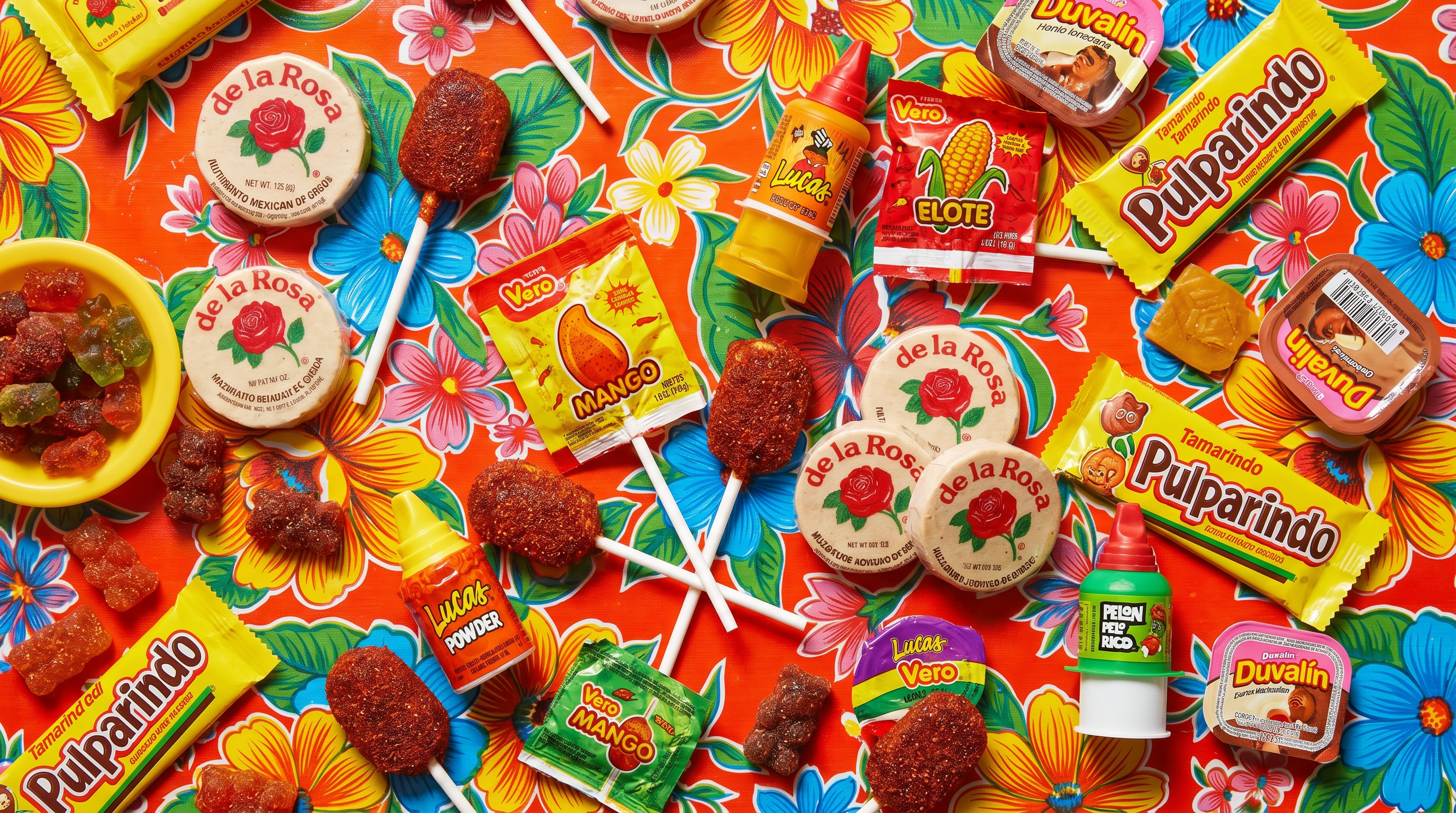
Tamarind candy is the heart of Mexican candy culture. The most famous is Pulparindo, a chewy tamarind bar with chili and salt made by De La Rosa. Pelon Pelo Rico is a tamarind paste in a push-up tube that you squeeze out like hair (pelo means hair). Rellerindos are hard candies filled with tamarind and chili. And Lucas Muecas is a tamarind lollipop that comes with its own chili powder for dipping. If you only try one category, make it this one.

Mexican Lollipops
Mexican lollipops (paletas) are nothing like American ones. Vero Mango is the icon: a mango-flavored lollipop coated in chili powder that builds heat with every lick. Rebanaditas are watermelon lollipops with a chili shell. Paleta Payaso is a chocolate-covered marshmallow face on a stick, decorated with gummy eyes and a smile. And Rockaleta is a multi-layered lollipop with different flavors in each layer and a gum center.
Gummy and Chamoy Candy
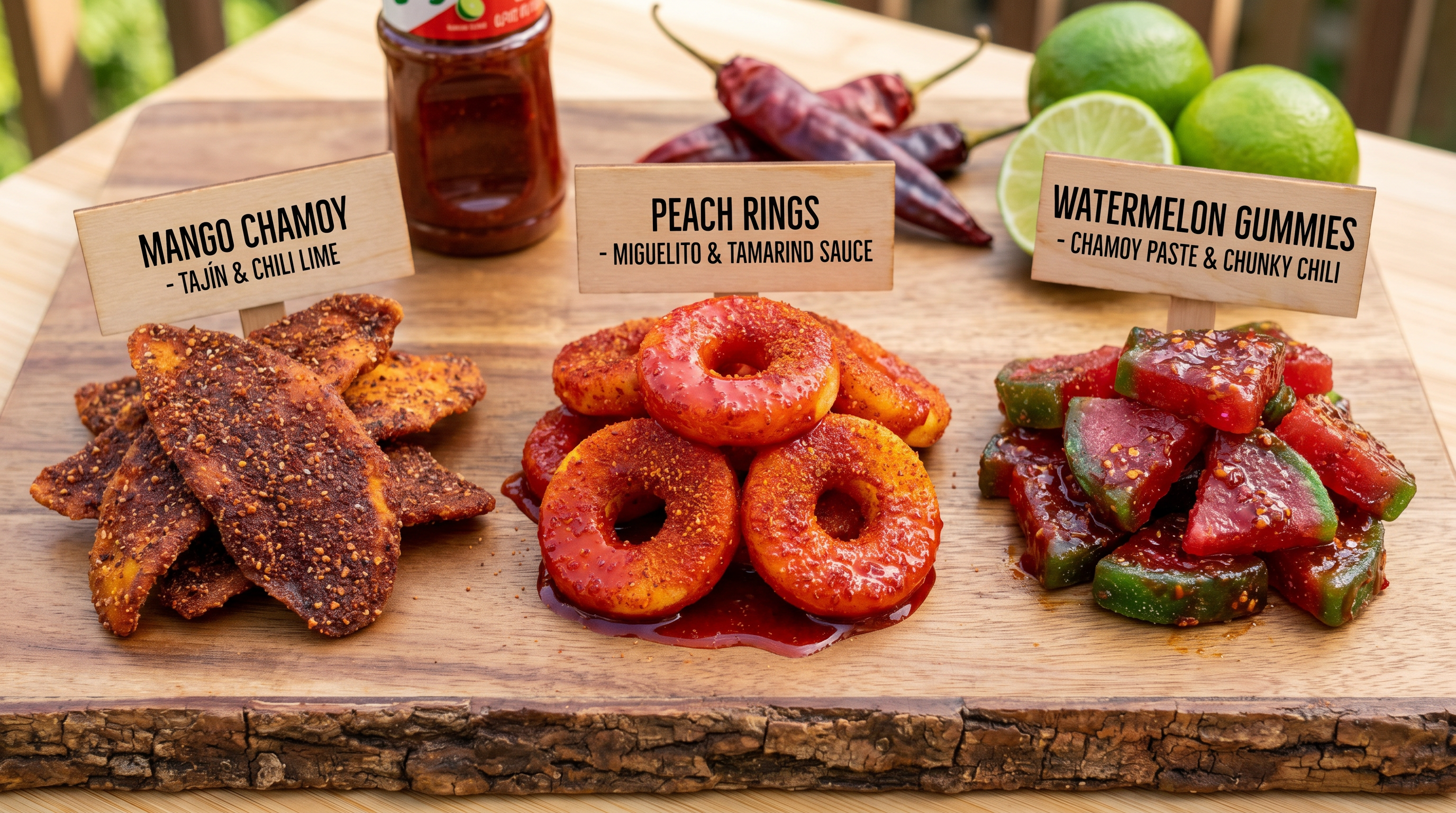
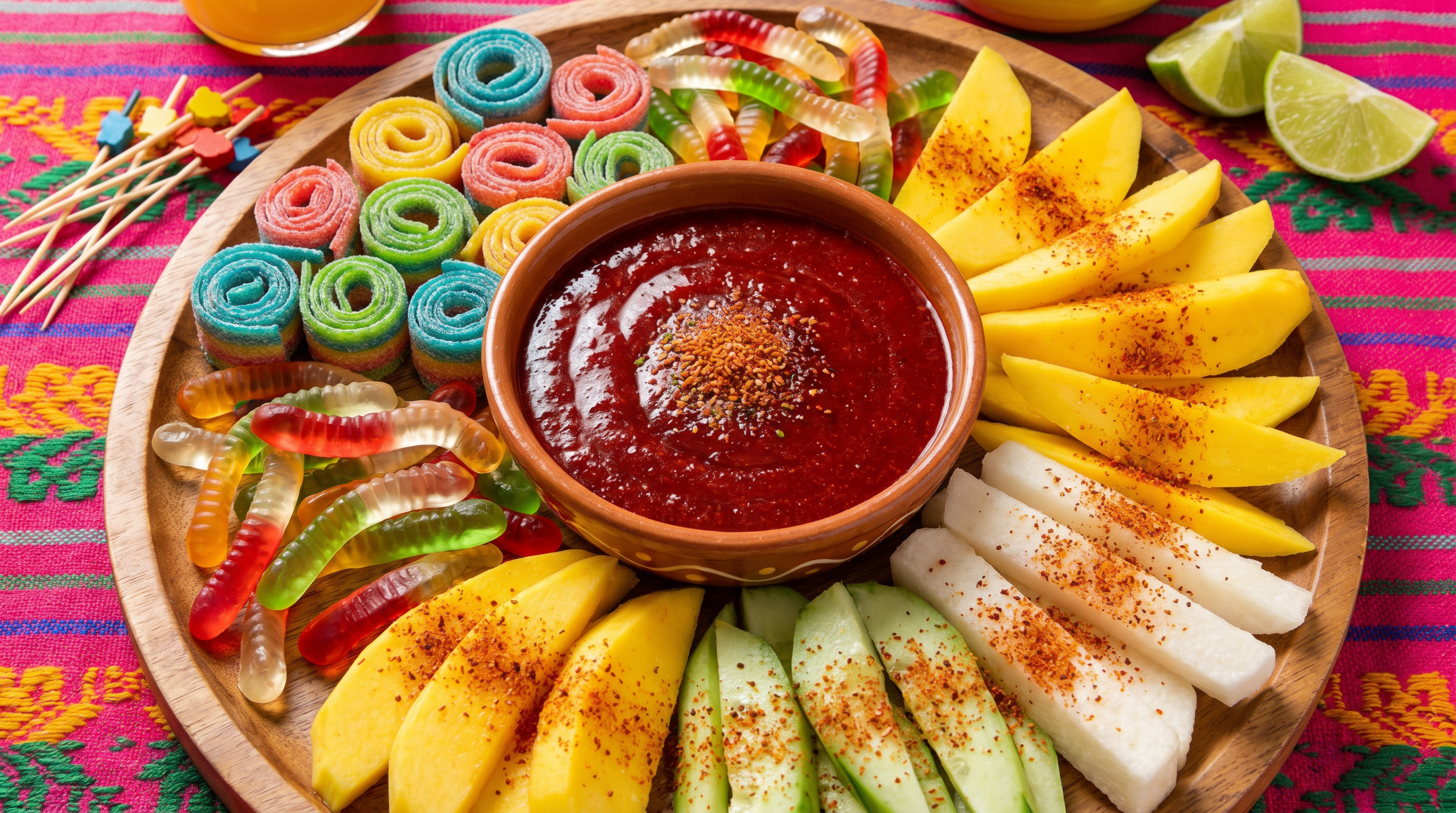
This is where Mexican candy meets modern trends. Lucas Skwinkles (also called Salsaghetti) are chili-coated gummy strips that come with a packet of tamarind sauce for dipping. Pica Fresa are strawberry gummies dusted with chili powder. And then there's the whole world of chamoy candy: gummy bears, peach rings, gummy worms, and dried fruit all coated in authentic chamoy sauce. The Mexico gummies and candies market alone is projected to reach $3.26 billion by 2031, growing at 8.34% annually, per Verified Market Research.
Peanut Candy
Mazapan is probably the single most famous Mexican candy in existence. It's a crumbly peanut disc wrapped in cellophane that dissolves on your tongue. Simple, sweet, zero spice. De La Rosa created it in 1942 in Guadalajara and it hasn't changed since. Palanquetas are peanut brittle bars, and cacahuates japoneses are Japanese-style peanuts coated in soy sauce and lime. If you like peanuts with a kick, try Spicy Sour Peanuts from MyChilitos.
Traditional Sweets
These are the dulces tipicos you find in mercados and small-town candy shops. Alegria is an amaranth seed bar bound with honey, a recipe that predates the Spanish by centuries. Obleas con cajeta are thin wafers filled with goat milk caramel. Cocada is coconut candy that comes in white, pink, and brown varieties. Mueganos are fried dough pieces stuck together with piloncillo syrup. And borrachitos are gelatin candies infused with rum, tequila, or rompope (Mexican eggnog).
Chocolate and Marshmallow Candy
Mexico has its own chocolate candy tradition, separate from the Hershey and Nestle world. Bubulubu is a chocolate-covered marshmallow with a strawberry jelly layer. Duvalin is a creamy two-tone candy in a small cup with a tiny spoon, available in hazelnut, strawberry, and vanilla. Kranky is chocolate-coated corn flakes. And Carlos V is Mexico's classic chocolate bar, named after the Spanish king.
Powder and Spoon Candy
Powder candy is a uniquely Mexican concept. Miguelito is a chili-lime powder eaten straight by the pinch or sprinkled on fruit. Lucas Baby comes in small containers with intense sour and spicy powder. These are not for beginners. They're pure chili-lime-salt intensity with no gummy or chocolate to soften the blow. Mexican kids eat this stuff on everything: fruit, ice cream, popcorn, and sometimes just on its own.
| Candy Type | Spice Level | Sweetness | Texture | Beginner Friendly? | Top Example |
|---|---|---|---|---|---|
| Tamarind | Medium | Medium | Chewy, sticky | Yes (start mild) | Pulparindo |
| Lollipops | Medium-High | Medium | Hard, layered | Somewhat | Vero Mango |
| Gummy / Chamoy | Low-High (varies) | High | Chewy, coated | Yes | Chamoy Gummy Bears |
| Peanut | None | Medium | Crumbly, crunchy | Yes | Mazapan |
| Traditional | None | High | Varies | Yes | Obleas con Cajeta |
| Chocolate | None | High | Creamy, crunchy | Yes | Bubulubu |
| Powder | Very High | Low | Powder, granular | No | Miguelito |
Which Brands Make the Best Mexican Candy?
Five brands dominate the Mexican candy world. Knowing them helps you navigate the candy aisle (or the online store) with confidence.
De La Rosa
Founded in Guadalajara, De La Rosa is the most recognized Mexican candy brand globally. They created Mazapan in 1942 and Pulparindo shortly after. If you've ever eaten Mexican candy, you've probably eaten something made by De La Rosa.
Lucas (Mondelez)
Lucas specializes in intensely sour and spicy candies. Now owned by Mondelez International, Lucas makes Muecas (tamarind lollipops with dipping powder), Skwinkles Salsaghetti (gummy strips with tamarind sauce), and Lucas Baby powder candy. These are the candies that make people's faces scrunch up on TikTok.
Vero (Grupo Bimbo)
Vero makes chili-coated lollipops and belongs to Grupo Bimbo, one of the world's largest bakery and snack companies. Vero Mango is their flagship product and probably the most widely recognized Mexican lollipop. They also make Vero Elote (corn-flavored) and Vero Rebanaditas (watermelon with chili).
Ricolino (Grupo Bimbo)
Also under the Bimbo umbrella, Ricolino focuses on chocolate and novelty candy. Paleta Payaso, Bubulubu, Duvalin, and Kranky all come from Ricolino. Their products tend to be milder and more approachable for people who aren't ready for chili heat.
Pelon Pelo Rico (Hershey)
The original tamarind push-up candy with the iconic face-shaped packaging. You push the bottom and tamarind paste comes out the top like "hair." Now distributed by Hershey in the U.S. market, Pelon Pelo Rico bridges the gap between Mexican candy culture and mainstream American retail.
What's the Best Mexican Candy to Try First?
The answer depends on how comfortable you are with spice. Here's a progression from zero heat to full intensity.
Best for Beginners (No Spice)
Start here if you've never had Mexican candy. Mazapan is sweet, peanutty, and familiar. Duvalin has a creamy texture and fun format (comes with a tiny spoon). Obleas con cajeta are caramel wafers, and Bubulubu is a chocolate marshmallow bar. None of these have any chili heat at all.
Best for Adventurous Eaters (Medium Heat)
Ready for some spice? Pulparindo is a great second step: tamarind with mild chili. Pelon Pelo Rico adds a fun squeeze format. Vero Mango lollipops let the chili build slowly so you can pace yourself. And Pica Fresa strawberry gummies with chili are sweet enough to balance the heat.
Best for Spice Lovers (High Heat)
If you already eat habanero salsa without flinching, go for Lucas Muecas with its chili dipping powder. Miguelito is pure chili-lime powder with no candy buffer. Chamoy-coated gummy bears with Tajin combine wet and dry heat. And Skwinkles Salsaghetti dunked in tamarind sauce is an experience that will clear your sinuses.
Want to try a little of everything? The Mixto variety pack from MyChilitos includes a curated mix of chamoy-coated gummies, sour belts, and dried fruit. Or let us surprise you with the Mystery Bag for a random assortment.
How Does Mexican Candy Show Up in Celebrations?
Mexican candy isn't just a snack. It's woven into the culture's biggest moments.
Dia de Muertos (Day of the Dead, October 31 through November 2) is the biggest candy season in Mexico. Families place sugar skulls (calaveras de azucar) on ofrendas, the altar displays honoring deceased loved ones. These skulls are made from alfeñique paste, the sugar art tradition dating back to colonial convents. According to Mexico News Daily, artisans spend 4 to 6 months producing sugar skulls for the season. Small skulls represent children. Full-sized skulls represent adults.

During posadas (the Christmas season), pinatas filled with candy, fruit, and peanuts are a centerpiece. Kids line up to take swings, and the candy that spills out is the whole point. Quinceañeras and birthday parties feature candy tables (mesas de dulces) overflowing with traditional sweets. And on regular days, street vendors (dulceros) sell chamoy-coated fruit and candy outside schools and markets across the country.
Where Can You Buy Authentic Mexican Candy?
What Makes Candy Authentic
Real Mexican candy comes from established Mexican brands using traditional ingredients: actual tamarind pulp, real chili peppers, piloncillo, cajeta from goat milk. Authentic products have Spanish labeling and Mexican regulatory marks. Watch out for knock-offs that substitute artificial tamarind flavoring for the real thing. You can taste the difference immediately.
The FDA now tests imported candy at the border for lead contamination, an issue that affected some chili-based candies in the past. Major brands have eliminated this concern entirely, so stick with established names.
Where to Shop
Specialty online stores like MyChilitos offer curated selections of authentic Mexican candy and chamoy treats shipped directly in the U.S. We carry everything from chamoy gummy bears and Rim Dip Loco to variety packs and dipping platters.
Mexican grocery stores (La Michoacana, local mercados) are your best bet for the full range of traditional brands. Amazon has a wide selection, but quality varies by seller, so check reviews. Walmart and Target carry limited Mexican candy selections, usually just the biggest brands like Lucas and De La Rosa.
If you're looking for the chamoy-coated side of Mexican candy specifically, we have a full lineup. If you want the broader traditional brands (Mazapan, Pulparindo, Vero Mango), a Mexican grocery store or Amazon is your best source for those.
Frequently Asked Questions About Mexican Candy
What is the most popular Mexican candy?
Mazapan from De La Rosa is widely considered Mexico's most popular candy. This crumbly peanut disc wrapped in cellophane has been a staple since 1942. Globally, Pulparindo (tamarind with chili) and Pelon Pelo Rico (tamarind push-up) are the most commonly found Mexican candies outside of Mexico.
Why is Mexican candy spicy?
Chili peppers have been a core ingredient in Mexican cuisine for thousands of years. The Aztecs combined cacao with chili, and that sweet-heat tradition carried directly into candy making. Chili in candy serves the same role as salt in American snacks: it enhances the other flavors rather than overpowering them.
Is Mexican candy safe to eat?
Yes. Modern Mexican candy from established brands like De La Rosa, Lucas, and Vero meets food safety standards in both Mexico and the United States. Some imported candies had lead contamination concerns in the past, but the FDA now tests imported candy at the border, and major brands have eliminated these issues.
What does chamoy taste like?
Chamoy tastes like a collision of sour, salty, sweet, and spicy. It starts with tangy fruitiness from pickled apricot or mango, hits with salt, then finishes with chili pepper warmth. Learn more about chamoy in our complete guide.
What is the difference between Mexican candy and American candy?
American candy focuses on sweetness as the primary (often only) flavor. Mexican candy treats flavor as a spectrum, combining sweet with sour (tamarind, lime), salty (sea salt), and spicy (chili powder). Mexican candy also uses more natural ingredients like tamarind pulp, real fruit, and piloncillo instead of high-fructose corn syrup.
What is tamarind candy?
Tamarind candy is made from the pulp of the tamarind fruit, which has a naturally sweet-sour taste. The pulp is mixed with sugar, chili powder, and salt to create chewy bars (Pulparindo), lollipops (Lucas Muecas), or squeeze-tube candy (Pelon Pelo Rico). Tamarind is the single most common flavor in Mexican candy.
Can kids eat Mexican candy?
Yes, though parents should start with mild options like Mazapan, Duvalin, or Bubulubu, which have zero spice. Even in Mexico, children's first candies tend to be the sweet-only varieties. Introduce chili-coated candies gradually and check labels for allergens (peanuts are common in Mazapan).
Where can I buy Mexican candy in the US?
Mexican candy is available at Mexican grocery stores, Walmart (limited selection), Amazon, and specialty online stores like MyChilitos. For the widest authentic selection with U.S.-based shipping, specialty stores offer curated options that bigger marketplaces can't match for quality and freshness.

Mexican candy covers more ground than most people realize. Seven categories, five major brands, over 500 years of tradition, and a flavor philosophy that treats every bite as a four-way experience. The best way to start is to pick your comfort level from the guide above and just try something. If you're going mild, grab a Mazapan. If you want the full chamoy experience, the Mixto variety pack covers everything in one bag.
Related: What Is Chamoy? The Complete Guide to Mexico's Favorite Condiment
Related: Chamoy Candy: Types, Flavors & Where to Buy
Related: Mexican Snacks: Sour Belts, Chamoy Treats & Where to Buy
Related: Strawberry Candy: Types, Brands & Where to Buy
Related: Fruit Gushers: Every Flavor, Ingredients & Chamoy Gusher Balls