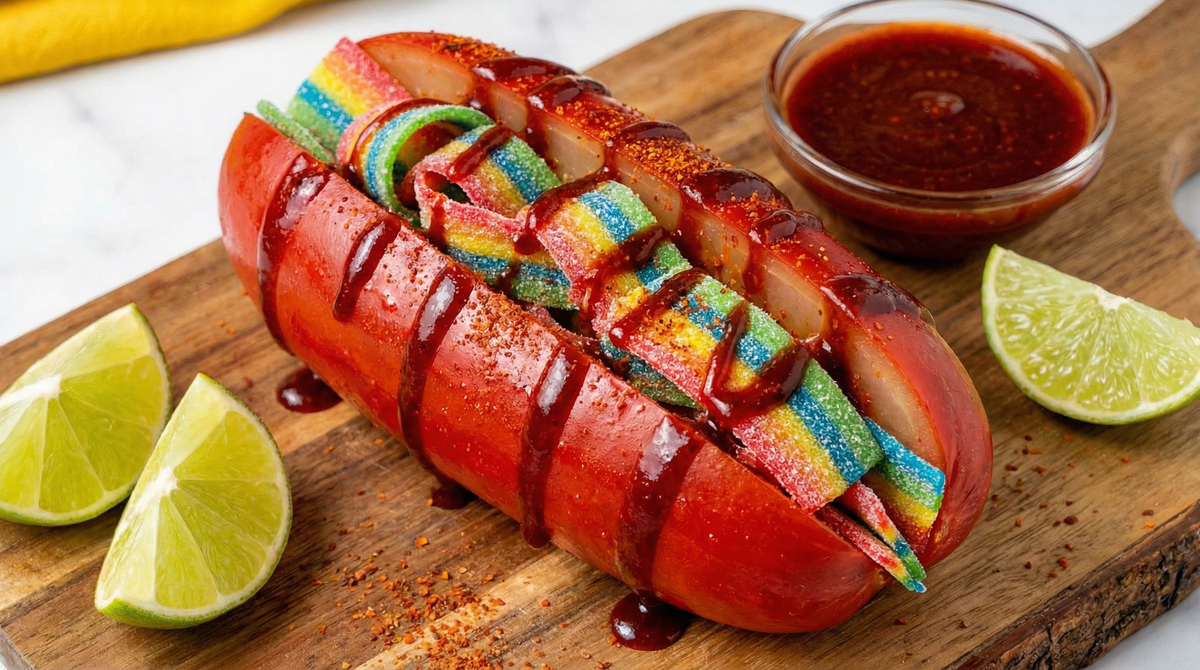

Article: What Is Chamoy? Guide to Mexico's Favorite Condiment
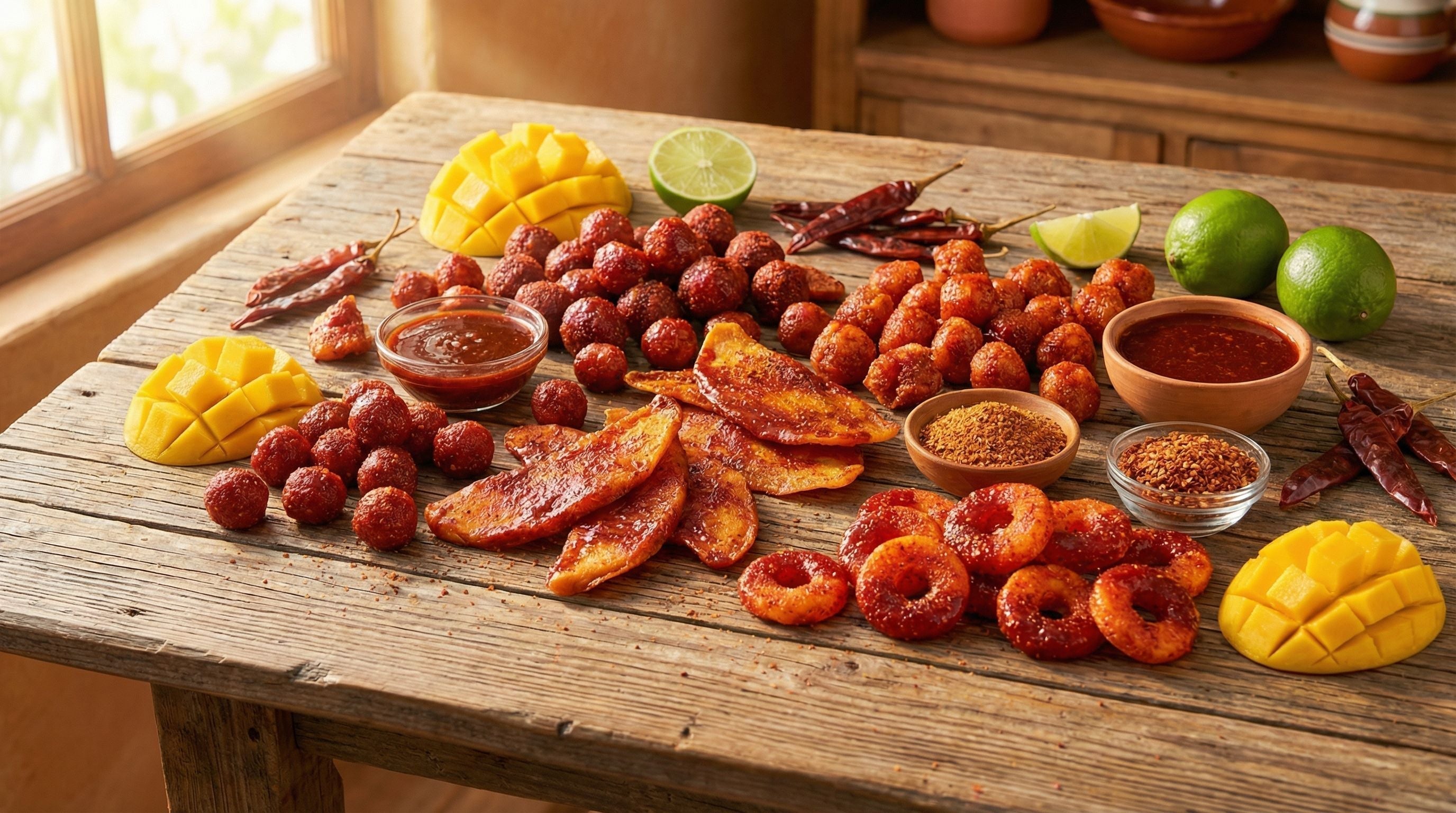
What Is Chamoy? Guide to Mexico's Favorite Condiment

Published · Updated
If you've seen a bright red sauce dripping down a mango cup or crusted around a michelada glass, you've already met chamoy. It's a Mexican condiment made from pickled fruit, chili peppers, lime, and salt that delivers four flavors in every bite: sweet, sour, salty, and spicy.
The U.S. Hispanic food market hit $38.67 billion in 2025 and is on track to reach $69.34 billion by 2035, according to Market Research Future. Chamoy sits right at the center of that growth.
But what exactly is chamoy? Where did it come from, and why has it exploded across U.S. grocery stores, TikTok feeds, and cocktail menus? This guide breaks down chamoy's ingredients, its 450-year history, its unique flavor profile, and the best ways to use it.
Key Takeaways
- Chamoy is a Mexican condiment combining pickled fruit, chili, lime, and salt in four simultaneous flavors.
- Its roots trace back to Asian preserved plum traditions brought to Mexico as early as 1565.
- Latino food spending grew 84% from 2012 to 2022 (Circana), fueling chamoy's U.S. mainstream crossover.
- Use chamoy on fruit, drinks, snacks, candy, desserts, and grilled meats.
What Is Chamoy?
Chamoy is a Mexican sauce made from pickled fruit (apricot, plum, or mango), dried chili peppers, lime juice, and salt. It's a condiment built on complexity. The U.S. sauces market is projected to grow from $23.3 billion to $29.2 billion by 2032, according to PS Market Research, and chamoy is one of the fastest-rising products in that category.
Sometimes spelled "chimoy," this condiment hits every taste receptor at once. Sweet from the fruit. Sour from the lime and pickling process.
Salty from the brine. Spicy from the chili. That four-note combination is what separates chamoy from ordinary hot sauce.
The gap shows up the moment you taste the two side by side. Hot sauce brings heat and not much else. Chamoy brings an entire flavor experience that shifts and evolves with every bite.
Chamoy comes in four main forms:
- Liquid sauce: drizzled over fresh fruit, ice cream, and snacks
- Paste: thick and concentrated, used for rimming glasses or coating candy
- Powder: sprinkled on chips, popcorn, or fruit cups
- Candy coating: applied to gummy bears, lollipops, and dried fruit

What Is Chamoy Made Of? Ingredients Breakdown
Chamoy looks like hot sauce sitting on a shelf, but the two have almost nothing in common. Hot sauce is built on vinegar and chili. Chamoy is built on fruit. Here's what actually goes into it.
The Fruit Base of Chamoy
Traditional chamoy starts with dried or pickled fruit. Apricot is the most classic choice, followed by plum and mango. Some recipes use tamarind, which adds a deeper sourness.
The fruit isn't fresh. It's dried, salted, or pickled first, which concentrates the flavor and creates that signature tang.
Why not fresh fruit? Preservation matters. Drying and pickling break down the fruit's cell walls, releasing sugars and acids that blend more smoothly with the chili and salt components.
The Chili Peppers in Chamoy
Chile de arbol is the most common pepper in traditional chamoy. It brings moderate heat without overwhelming the fruit. Guajillo peppers add a milder, slightly smoky note. Ancho chiles contribute a richer, darker flavor with less bite.
The key is balance. Chamoy heat should warm, not burn. Most recipes land somewhere between 1,000 and 5,000 Scoville units, well below a jalapeno's 2,500 to 8,000 range.
The Sour-Salt-Sweet Balance in Chamoy
Lime juice provides the acid backbone. Salt deepens every other flavor. Sugar or piloncillo (unrefined cane sugar) rounds out the sweetness. These three ingredients work as a team, and adjusting any one of them shifts the entire profile.
Getting the ratio right is what separates great chamoy from mediocre chamoy. Too much sugar and it tastes like candy syrup. Too much salt and the fruit disappears. Too much lime and it becomes a hot sauce.
Commercial vs. Homemade Chamoy Ingredients
Commercial chamoy often includes citric acid (for shelf-stable sourness), artificial red coloring, xanthan gum (for thickness), and preservatives like sodium benzoate. These additions extend shelf life and create a consistent product.
Homemade chamoy skips all of that. You control the chili heat, the fruit sweetness, and the salt level. The trade-off? It won't last as long in the fridge, usually two to three weeks versus months for store-bought versions.
Where Does Chamoy Come From? Origin and History
The Manila galleon trade route operated from 1565 to 1815, connecting the Philippines and Mexico for 250 years (Wikipedia). That quarter-millennium of exchange is where chamoy's story likely begins. But the full origin is more complicated than a single trade route.
The Asian Roots: Li Hing Mui and See Mui
Preserved plums have been a snack across East and Southeast Asia for centuries. In China, they're called "hua mei" or "see mui," dried and salted plums eaten as a treat or used in traditional medicine. The flavor profile is familiar: salty, sour, slightly sweet.
Japanese umeboshi (pickled plums) share that same ancestry. So do Filipino champoy and Hawaiian crack seed (li hing mui).
All these traditions center on one idea: take a sour fruit, dry it, salt it, and turn it into something addictive. That concept traveled across oceans and eventually reached Mexico.
Three Theories of How Chamoy Reached Mexico
Theory 1: Filipino champoy via the Manila galleons. From 1565 to 1815, Spanish galleons sailed between Acapulco and Manila carrying goods, people, and food traditions. Filipino traders and settlers brought preserved plums (champoy) to Mexico's Pacific coast. The word "chamoy" may derive directly from "champoy."
Theory 2: Chinese see mui via Hawaiian workers. In the 19th century, Chinese immigrants working in Hawaii popularized crack seed (preserved plum snacks). As those snack traditions spread along Pacific trade networks, they reached Mexico's west coast and blended with local flavors.
Theory 3: Japanese umeboshi via Teikichi Iwadare. In the 1950s, Japanese-Mexican entrepreneur Teikichi Iwadare reportedly adapted umeboshi-style pickled plums for the Mexican palate, adding local chili peppers and lime. This theory places chamoy's commercial development much later than the other two.
Which theory is correct? Probably all three played a role. Food traditions rarely have a single origin point. What matters is what happened next.
Chamoy Becomes Mexican
Mexican street vendors took the Asian preserved plum concept and made it their own. They added chile de arbol, guajillo, and lime. They drizzled it on mango and jicama. They turned it into a sauce, a paste, and eventually a candy coating.
By the mid-20th century, chamoy was a fixture of Mexican street food. Fruteros (fruit vendors) offered it at every corner. By the early 2000s, it began crossing into U.S. markets. And by 2023, TikTok turned chamoy into a full-blown viral sensation.
What Does Chamoy Taste Like?
First-time tasters always ask the same question: what does chamoy actually taste like? The answer is harder than you'd expect, because nothing in the American condiment aisle compares.
How Chamoy Hits All Four Flavors
Chamoy delivers sweet, sour, salty, and spicy simultaneously. The fruit base brings natural sweetness. Lime juice and the pickling process supply tartness.
Salt deepens everything. Chili peppers add a gentle, building warmth.
There's also a subtle umami undertone from the fermentation and pickling. That fifth note is what makes chamoy so hard to stop eating. Your brain keeps searching for where one flavor ends and the next begins.
Compare it to ketchup, which hits two notes: sweet and acidic. Soy sauce hits two notes: salty and umami. Chamoy hits four or five. That complexity is rare in a single condiment.
Is Chamoy Spicy?
Yes, but the heat is mild to moderate. Chamoy is not a hot sauce. The chili component adds warmth that builds slowly, balanced by sweetness and sourness so it never dominates the experience.
How spicy? That depends on the recipe and brand. Chamoy made with chile de arbol runs hotter than versions using guajillo or ancho.
If you're heat-sensitive, start with chamoy gummy bears or a mild chamoy sauce. Those tend to lean sweeter.
What Makes Chamoy Flavor Addictive?
Sensory complexity is the answer. When a food hits multiple taste receptors at once, your brain spends more time processing it.
Each bite reveals a slightly different balance. Was that one more sour? More salty? The constant shifting keeps you reaching for more.
It's the same reason people can't stop eating Thai food or Korean BBQ. Multiple flavor dimensions create what food scientists call "dynamic contrast," and chamoy packs more of it per bite than almost any other condiment.
How to Use Chamoy: 8 Ways
Most people meet chamoy on a mango cup and never take it any further. Latino food spending increased 84% from 2012 to 2022, compared to 53% for all U.S. households, according to Circana.
That growth means chamoy has moved far beyond fruit stands in Mexico City. Here are eight ways people use it today.
Chamoy on Fresh Fruit
This is the original use. Drizzle chamoy over sliced mango, watermelon, pineapple, cucumber, or jicama. Sprinkle Tajin on top.
In Mexico, fruteros (street fruit vendors) have been serving fruit this way for decades. The combination of cold, juicy fruit with warm, tangy chamoy is hard to beat.
Chamoy as a Rim Dip for Drinks
Chamoy paste coats the rim of a glass, adding flavor to every sip. Micheladas, mangonadas, margaritas, palomas, and aguas frescas all work. The sticky paste also holds Tajin powder in place for a double layer of flavor. We cover this in detail in the rim dip section below.
Chamoy Drizzled on Snacks
Pour chamoy over chips, tostilocos, popcorn, or elote (Mexican street corn). The sauce clings to crunchy textures and adds a sweet-spicy kick that plain hot sauce can't match. Tostilocos, tostada chips loaded with toppings, are a popular street food that almost always includes chamoy.
Chamoy as a Candy Coating
Gummy bears, peach rings, dried mango, and lollipops all get the chamoy treatment. The sauce or powder coats the candy, adding a spicy-sour layer to something already sweet.
It's one of the biggest trends in Mexican candy right now. You'll find the chamoy-coated versions in our dulces enchilados collection. For a deeper look at specific candies, check out our chamoy candy guide.
In Chamoy Pickles
The #chamoypickle hashtag racked up over 880 million views on TikTok, according to Accio. Dill pickles are soaked in chamoy, stuffed with sour candy, and topped with Tajin. The result went viral in 2023 and hasn't slowed down. Read our full chamoy pickles guide for recipes and kits.
Chamoy as a Marinade or Glaze
Chamoy works surprisingly well as a glaze for grilled chicken, shrimp, and wings. Brush it on during the last few minutes of grilling. The sugars in the fruit base caramelize, creating a sticky, sweet-spicy crust. We've found that mixing chamoy with a little soy sauce and garlic makes an outstanding wing glaze.
Chamoy on Ice Cream and Desserts
Drizzle chamoy over vanilla ice cream, paletas (Mexican popsicles), or raspados (shaved ice). The warm spice against cold, creamy sweetness creates a contrast that keeps you coming back for another spoonful. Mango paletas with chamoy and Tajin are a summer staple across Mexico.
Chamoy in Cocktails and Drinks
Beyond rimming, chamoy goes directly into drinks. A mangonada blends frozen mango with chamoy sauce and tamarind. Chamoy margaritas mix the sauce into the cocktail itself.
Even lemonade gets a chamoy upgrade. The sauce dissolves easily in cold liquids, spreading its flavor throughout the drink.
Chamoy Fruit: The Classic Pairing
Walk into any fruteria in Texas, California, or Arizona and you'll see the same thing: cups of fresh fruit drowning in chamoy and Tajin. It's the original chamoy use case, and it's still the best one.
Best Fruits to Eat with Chamoy
- Mango: The classic chamoy pairing and the one customers ask us about most. Fresh mango slices with chamoy and Tajin is peak snacking.
- Cucumber: Cucumber with chamoy is a refreshing, crunchy combo found everywhere in Mexican street food.
- Watermelon: The sweetness of watermelon balances the spice perfectly.
- Pineapple: Tangy pineapple plus chamoy equals tropical heat.
- Jicama: Crunchy and mild, jicama soaks up chamoy flavor like a sponge.

How to Make a Chamoy Fruit Cup
- Cut mango, cucumber, watermelon, and jicama into bite-sized pieces.
- Toss the fruit into a cup or bowl.
- Drizzle chamoy sauce generously over the top.
- Sprinkle Tajin chili-lime powder and squeeze fresh lime juice to finish.
Want to skip the prep? Chamoy dried mango delivers that same sweet-spicy combination in a ready-to-eat format. Dried mango with chamoy and chili is one of the most popular Mexican snacks, combining chewy texture with bold flavor.
Chamoy Rim Dip and Paste: Level Up Your Drinks
Chamoy rim pastes are one of the fastest-growing categories in the Mexican condiment space. One swipe around a glass turns any drink into something worth photographing, and the flavor payoff is real. Our chamoy rim dip works on micheladas, chamoyadas, beer and hard seltzer.
Popular Drinks with Chamoy Rim
- Michelada: The classic Mexican beer cocktail with lime, hot sauce, and Worcestershire, served in a chamoy-rimmed glass.
- Mangonada: A frozen mango drink blended with chamoy, served with a chamoy-rimmed cup and a tamarind candy straw.
- Margaritas: Swap out the salt rim for chamoy and Tajin for a "Mexican candy margarita."
- Aguas Frescas: Even simple fruit waters taste better with a chamoy rim.
Tamarindo Rim Dip
Tamarindo rim dip takes the chamoy rim concept and adds concentrated tamarind flavor. It's thicker, tangier, and perfect for micheladas and mangonadas. Some versions include watermelon chamoy flavoring for a fruity twist.
How to Rim a Glass with Chamoy
- Spread chamoy paste on a small plate in a thin, even layer.
- Spread Tajin powder on a second plate.
- Press the rim of your glass into the chamoy paste, rotating to coat evenly, then press into the Tajin.
That's it. Three steps, two ingredients, and your drink goes from ordinary to memorable.

Chamoy vs. Tajin: What's the Difference?
People often confuse chamoy and Tajin, but they're different products. Chamoy is a wet condiment made from pickled fruit. Tajin is a dry chili-lime powder. Understanding the difference helps you use both more effectively.
| Chamoy | Tajin | |
|---|---|---|
| Form | Sauce, paste, or powder | Powder only |
| Base | Pickled fruit (apricot, plum, mango) | Dried chili peppers |
| Flavor | Sweet, sour, salty, spicy | Salty, tangy, spicy |
| Texture | Wet/sticky (sauce/paste) or dry (powder) | Always dry |
| Best for | Coating candy, drizzling on fruit, rimming drinks | Sprinkling on anything |
They work best when you use them together. Chamoy provides the sweet-sour base. Tajin adds the chili-lime punch on top.
Most chamoy fruit cups, chamoy-rimmed drinks, and chamoy candy use both. They do different jobs, so most people keep both on hand.
Where Can You Buy Chamoy?
Chamoy is a fruit sauce, and a year on a warehouse shelf shows up in the flavor. San Antonio candy stores reported 100% sales increases during the chamoy pickle TikTok trend, according to Bustle. Demand has never been higher, which is exactly why it pays to know who made the bottle you are buying.
Online stores: The MyChilitos chamoy collection carries chamoy sauces, rim dips, and chamoy-coated dried fruit, all shipped nationwide. Online is the most reliable option if your local stores don't carry Mexican condiments.
What we make: Our Chamoy Sauce does both jobs: drizzle it over fruit and candy, or run it around the rim of a glass. It comes in Clasico, Spicy and Watermelon (Sandía).
What to expect from shelf-stable chamoy: Shelf-stable chamoy has reached the big chains, and it runs thinner and sweeter than the chamoy we make ourselves. You notice it the moment you taste them side by side.
What to look for: Read the ingredient label. The best chamoy lists fruit as the first ingredient, not corn syrup or artificial flavoring. Shorter ingredient lists usually mean better flavor.
Is Chamoy Healthy? Nutrition Breakdown
Chamoy is fine in small amounts, but it's a high-sodium, high-sugar condiment. Sodium and sugar are the two numbers worth reading on any chamoy label, and they vary a good deal from one bottle to the next. Most people use far less than a full serving at once, so portion size is what really matters.
Per tablespoon, the numbers look more manageable: about 15 calories, 2 to 3 grams of sugar, and 190 to 270 mg of sodium. That's the trade-off with chamoy. The flavor hit is huge, the calorie cost is small, but the salt adds up fast if you pour it on with a heavy hand.
A few practical notes from selling this stuff every day. Customers watching sodium tend to do best with chamoy on fresh fruit, where a light drizzle goes a long way, rather than as a candy coating where the sugar stacks up. If you want more control, homemade chamoy lets you cut both the salt and the added sugar. And anyone managing blood pressure or blood sugar should treat it like any salty-sweet condiment: a flavor accent, not a main ingredient.
What's Changing in Chamoy Right Now
Chamoy isn't slowing down. The candy category overall keeps leaning into bold, spicy-sour flavors, and chamoy is one of the names driving that shift heading into 2026, according to Toast. What started as a street-cart drizzle is now a full retail category with its own shelf space.
Retail Has Caught Up to Chamoy
The biggest change is availability. Chamoy sauce, rim dips and chamoy-coated candy are a year-round category now rather than a specialty-aisle curiosity, and the shelf space the pickle trend created never went away. What that means for you is choice, so it is worth tasting our chamoy sauce against whatever you have had before.
New Chamoy Formats Keep Coming
Beyond the classic sauce and powder, 2026 has brought a wave of chamoy spin-offs: chamoy-coated chips, chamoy gummy clusters, blue raspberry and watermelon chamoy variants, and ready-to-eat chamoy fruit cups. The chamoy pickle is still going strong too, with the #chamoypickle hashtag holding hundreds of millions of TikTok views years after it first broke out.
What We're Seeing in Chamoy Sales
On our side of the shop, the steady sellers are rim dips and chamoy-coated dried fruit rather than the novelty items. The viral products spike and fade, but the everyday-use chamoy, the kind people drizzle on fruit or rim a michelada with, sells consistently week over week.
That's the part of the trend that has turned into a habit rather than a moment. You can see what we currently stock in our chamoy collection.
Frequently Asked Questions
What exactly is chamoy?
Chamoy is a Mexican condiment made from pickled fruit (apricot, plum, or mango), chili peppers, lime juice, and salt. It comes as a sauce, paste, or powder and delivers a unique combination of sweet, sour, salty, and spicy flavors. Chamoy is used on fruit, drinks, candy, and snacks throughout Mexico and the U.S.
What flavor is chamoy?
Chamoy tastes like sweet, sour, salty, and spicy all at once. The fruit base provides natural sweetness, lime juice adds tartness, salt deepens the flavor, and chili peppers bring a mild-to-moderate heat. It's been described as "all the flavors at once," a sensory experience unlike any single American condiment.
How spicy is chamoy?
Yes, chamoy is mildly spicy. The chili pepper component adds warmth, but the heat is balanced by sweetness and sourness, so it doesn't overwhelm. Spice levels vary by brand and recipe. Milder options include chamoy gummy bears and mild sauces, while versions with chile de arbol bring more heat.
What is chamoy made of?
Traditional chamoy is made from dried or pickled fruit (apricot, plum, or mango), dried chili peppers (chile de arbol or guajillo), lime juice, salt, and sugar. Commercial versions often add citric acid, artificial colors, and xanthan gum for consistency and shelf life.
Where does chamoy come from?
Chamoy traces its origins to Chinese preserved plums (see mui) that reached Mexico through Asian trade routes between the 16th and 20th centuries. The Manila galleon trade (1565-1815) is the most commonly cited pathway. Mexican street vendors adapted the concept by adding local chili peppers and lime.
Is chamoy vegan?
Yes, mostly. Most chamoy sauces and powders are vegan because they're made from fruit, chili, and salt with no animal products. However, chamoy-coated gummy candies often contain gelatin, which is not vegan. Always check the ingredient label for gelatin or other animal-derived ingredients before purchasing.
How do you use chamoy?
Chamoy is drizzled over fresh fruit (mango, watermelon, cucumber), used as a rim paste for cocktails (micheladas, margaritas), coated on candy, mixed into frozen drinks like mangonadas, and used as a marinade for grilled meats. It pairs well with Tajin chili-lime powder for an extra flavor boost.
What is the difference between chamoy and Tajin?
Chamoy is a wet sauce or paste made from pickled fruit, chili, and lime, delivering sweet-sour-salty-spicy flavor. Tajin is a dry chili-lime powder that is only salty, tangy, and spicy. They're different products entirely, but they taste best used together on fruit, drinks, and snacks.
Is chamoy gluten-free?
Yes, most are. Most traditional chamoy sauces are gluten-free because they're made from fruit, chili, lime, and salt with no wheat ingredients. That said, some commercial brands add thickeners or flavorings that may contain gluten, and chamoy-coated candies can vary. If you're celiac or gluten-sensitive, check the label for a certified gluten-free mark before buying.
How long does chamoy last?
Store-bought chamoy lasts several months unopened and roughly one to two months refrigerated after opening, thanks to preservatives and citric acid. Homemade chamoy has no such additives, so it keeps about two to three weeks in the fridge. Always refrigerate after opening, and toss it if the color, smell, or texture changes.
Where to start: Pour the 8oz bottle of our chamoy over a plate of fresh mango and you will understand the whole thing in one bite. When you are ready for the thick stuff for glass rims and dipping, the rest of it is in our chamoy collection.
Keep exploring: